

Chris Potter
Electro-Voice and Dynacord extend partnership with Face to Germany

Electro-Voice and Dynacord have appointed the Belgian company Face as its new distribution partner for MI retail and rental in Germany.
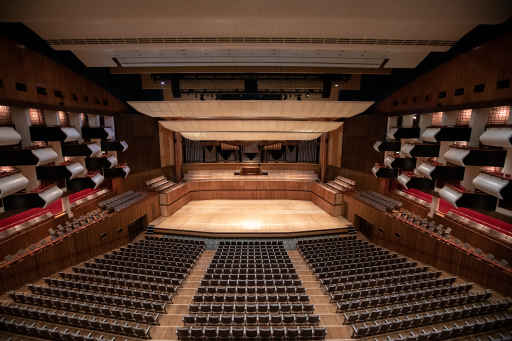
AT Communications (ATC) has been named a preferred AV supplier for commercial events at the Southbank Centre, covering four of the venue’s event spaces: the Royal Festival Hall, Queen Elizabeth Hall, Queen Elizabeth Hall Foyer and Purcell Room.
Visionary’s IPTV platform enhances guest experience across American cruise lines fleet

American Cruise Lines has partnered with ControlAV to install Visionary’s PackeTV IPTV platform on six vessels, giving guests access to live TV, on-demand movies, safety information, ship location and live camera feeds through their stateroom televisions. The centralised system simplifies content updates and remote management while providing a consistent viewing experience across different displays.

Glyndebourne, the famous UK opera house, has integrated TiMax SoundHub spatial processing into its audio infrastructure in a landmark upgrade.
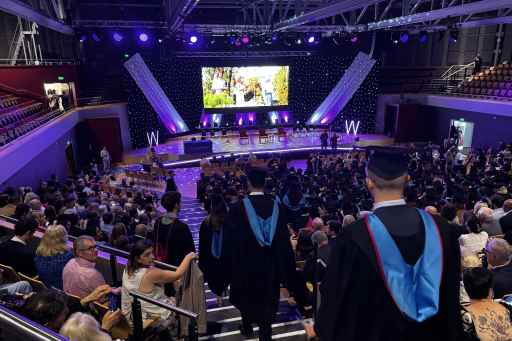
Butterworth Hall, the principal concert hall within Warwick Arts Centre and a centrepiece in the cultural output of the University of Warwick, Coventry, has upgraded its sound system.
L-Acoustics L-ISA immerses visitors through history at Timewalk

An L-Acoustics immersive system carries visitors through 12,000 years of history at Timewalk, using L-ISA to place sound above, below, and around visitors as they stroll through the exhibit.
WyreStorm opens EMEA HQ in the Netherlands
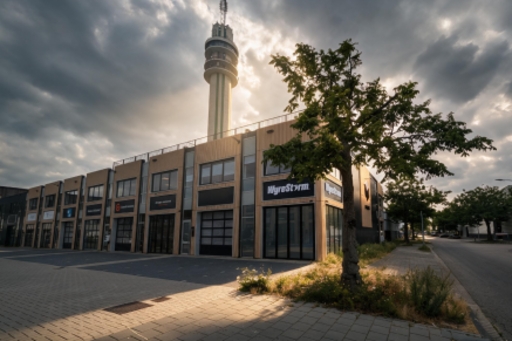
WyreStorm has opened a new international base in Haarlem, expanding its EMEA presence with a dedicated hub for partners, customers, and WyreStorm’s operations.
Tiny OLED pixels can be manufactured like microchips
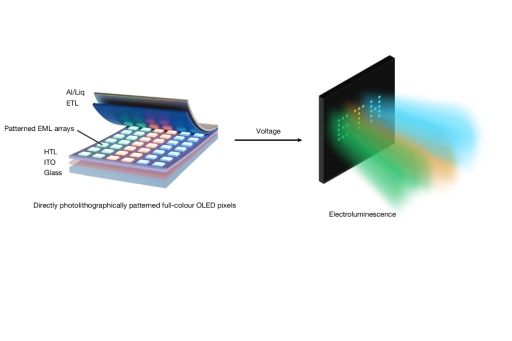
Researchers at ETH Zurich have developed a light-sensitive material from which they can produce tiny, coloured light-emitting pixels – potential building blocks for particularly small and sharp screens.
Extron introduces Professional AVoIP Design Guide
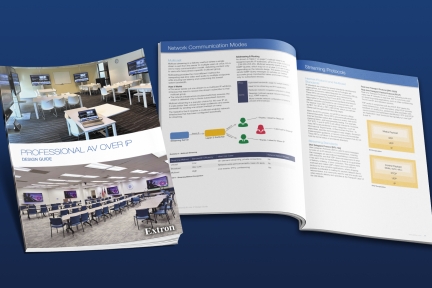
Extron has released its Professional AV over IP Design Guide, a resource for designing and deploying AVoIP systems.
RCF Academy Is Now an AVIXA RU Provider

RCF Academy has now been verified as an AVIXA renewal unit (RU) provider, offering selected courses for AVIXA renewal units.